NLMC26 Online
Saturday 19th September
Agenda
Saturday, September 19

Nutrition science continues to evolve, bringing new insights into the complex relationships between diet, behaviour and health. This session explores some of the most exciting and rapidly developing areas of research, from plant-based meat alternatives and chrono-nutrition to the oral microbiome and dietary approaches to hypertension. Combining emerging evidence with practical clinical relevance, speakers will examine how dietary choices, eating patterns and lifestyle behaviours influence health outcomes, and what these developments may mean for healthcare professionals seeking to deliver evidence-based nutrition and lifestyle advice.
Chair: Shireen Kassam

Plant-based meat alternatives are playing an increasingly prominent role in discussions about sustainable diets, but questions remain about their nutritional quality, level of processing and health impacts. In this talk, Sarah Nájera Espinosa will explore the latest evidence on plant-based meat alternatives, examining their potential role in supporting dietary shifts towards more sustainable eating patterns. Drawing on her research, she will discuss differences between products, their health implications, and the opportunities and challenges they present for both human and planetary health.
Nutrition is not only about what we eat, but also when we eat. In this talk, Professor Alexandra Johnstone will introduce the emerging field of chrono-nutrition, exploring the interactions between circadian rhythms, nutrition and metabolic health. She will discuss how meal timing and eating patterns can influence appetite, energy balance, body weight and metabolic function, alongside the growing evidence for approaches such as time-restricted eating. The session will also examine the impact of circadian disruption, including shift work and irregular eating patterns, and consider the implications for health promotion and disease prevention.

This talk will explore the growing evidence linking oral microbial dysbiosis with systemic conditions including cardiometabolic disease, cognitive decline and chronic inflammation. Dr Victoria Sampson will examine the role of the oral microbiome in whole-body health, highlighting emerging research on the connections between oral health and chronic disease. The session will also focus on practical and clinically actionable insights, helping healthcare professionals recognise common signs of oral dysbiosis and identify lifestyle, dietary and behavioural strategies that may support both oral and systemic health.
Hypertension remains one of the leading modifiable risk factors for cardiovascular disease, yet dietary approaches to prevention and management are often underutilised. In this talk, Michael Metoudi will explore the evidence linking plant-based dietary patterns with blood pressure control, drawing on his research into whole grains, legumes and soy foods. He will discuss the potential role of plant foods in reducing hypertension risk and supporting cardiovascular health, highlighting practical dietary strategies that clinicians can incorporate into patient care.
Our health is deeply connected to the environments in which we live. This session explores the relationship between nature, sustainability and human wellbeing – from the benefits of reconnecting with the natural world through our senses, to the impact of environmental exposures such as air pollution on chronic disease.
Drawing on examples from healthcare, research and public health, our speakers will explore how we can better recognise the links between planetary and personal health, and consider practical ways that individuals, health professionals and communities can support healthier people and a healthier planet.
Chair: Karen Lee

Nature reaches us through the senses, and nowhere more intimately than through food. Drawing on her work as Nature Recovery Ranger at Newcastle Hospitals and a research background in living with altered eating difficulties, Dr Duika Burges Watson argues that eating is the nature connection we practise daily. Sensory health matters both to how we connect with nature and to how we experience what we eat, and she considers what happens when it is disrupted, as millions discovered during COVID, and what this means for nutrition and wellbeing. She reflects on scent-based work on the hospital estate, and asks whether this points to a form of sensory healthcare we do not yet recognise as part of clinical practice. The talk offers practical, evidence-based ways for health professionals to use sensory engagement with nature and food, both personally and in clinical practice.
Chair: Shireen Kassam

This presentation introduces a science-based approach to preventing and treating diabetes by addressing its root cause – insulin resistance driven by ectopic fat accumulation. Drawing on randomized clinical trials, it demonstrates how a plant-based diet reduces liver and visceral fat, improves insulin sensitivity and β-cell function, enhances endogenous GLP-1 secretion, increases energy expenditure, and lowers dietary AGEs and acid load. The overarching message is that the body is adaptive rather than broken, and that evidence-based lifestyle interventions can help many people prevent, treat, and even achieve remission of type 2 diabetes.
Effective healthcare depends not only on what we know, but on how we communicate. This session explores how healthcare professionals can improve conversations around complex and often overlooked issues, from alcohol use to neurodiversity. Drawing on behavioural science, occupational therapy and clinical practice, speakers will share practical approaches to recognising early signs, reducing stigma and supporting person-centred care. Together, these talks highlight the importance of compassionate, evidence-informed communication in improving health and wellbeing.
Chair: Claire Lynch
How can healthcare professionals have more effective conversations about alcohol before drinking becomes a serious problem? In this talk, Professor Paul Chadwick will explore a behavioural science approach to recognising the early signs of alcohol dependence and discussing alcohol use in a way that is supportive, empathetic and free from stigma. Drawing on both his professional expertise and personal experience, he will examine practical strategies for initiating meaningful conversations that encourage reflection, build motivation and support lasting behaviour change.

Neurodiversity is one of the most talked-about topics in healthcare right now, but for occupational therapists, it is far from new territory. In this talk, Jill Martin explores what neurodiversity actually means in clinical practice, why the overlapping and masked presentations that challenge so many services are precisely what occupational therapists are trained to hold, and what this means for the patients sitting in your consulting room today. Drawing on composite case material and over 30 years of clinical experience, Jill offers practical guidance on communication, recognition and referral, making the case for why a functional lens may be one of the most valuable tools in clinical practice.

Lifestyle medicine has the potential to influence the course of many chronic diseases, improving outcomes, quality of life and long-term health. This session explores the growing evidence for nutrition as a therapeutic tool across a range of chronic conditions, including autoimmune disease, cancer and chronic kidney disease. Drawing on the latest research and clinical experience, speakers will examine the mechanisms underpinning these conditions, the role of whole food, plant-based nutrition in disease management, and practical approaches that healthcare professionals can apply to support patients at different stages of their health journey.
Chair: Karen Lee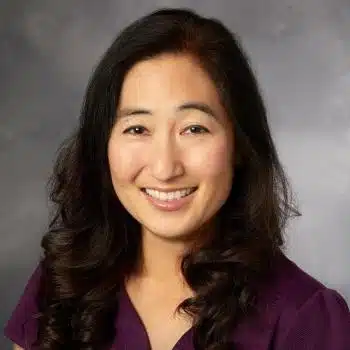
Chronic inflammation plays a central role in the development and progression of many autoimmune diseases. In this talk, Dr Tamiko Katsumoto will explore the relationship between diet, inflammation and immune function, examining how nutrition may influence autoimmune disease risk, activity and overall health. Drawing on emerging research and her clinical expertise in rheumatology and lifestyle medicine, she will discuss the potential role of whole food, plant-centred dietary patterns in supporting people living with autoimmune conditions and reducing chronic inflammation.
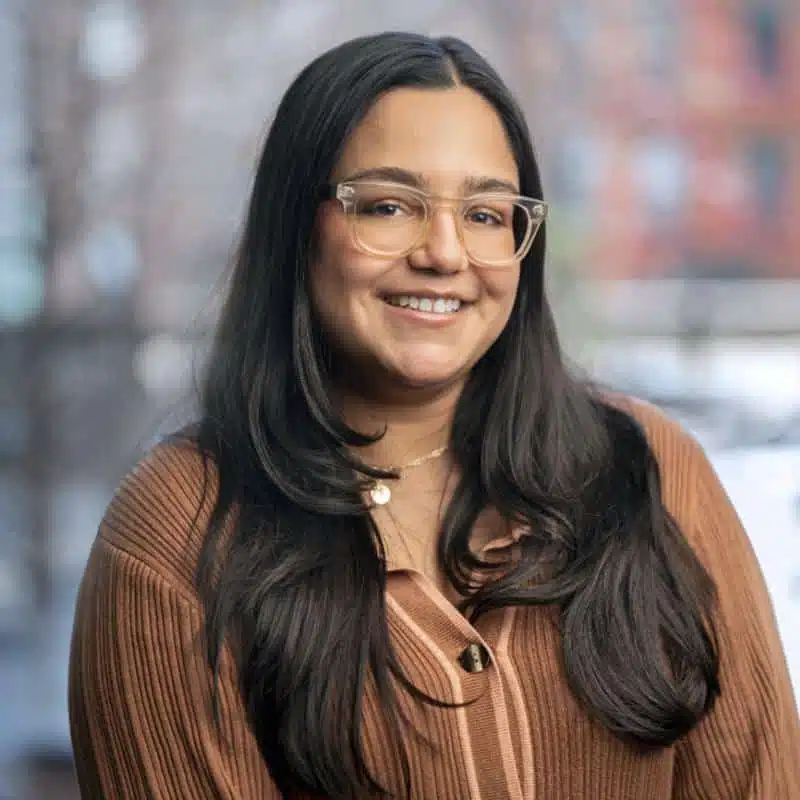
What role might nutrition play in cancer prevention, treatment and survivorship? In this talk, Francesca Castro will share insights from the NUTRIVENTION clinical trials, which are investigating the effects of high-fibre, plant-based diets on the gut microbiome, metabolic health and multiple myeloma progression. Drawing on her work as a clinical research dietitian, she will explore the emerging evidence for dietary interventions in cancer care and discuss the potential implications for patients and healthcare professionals.
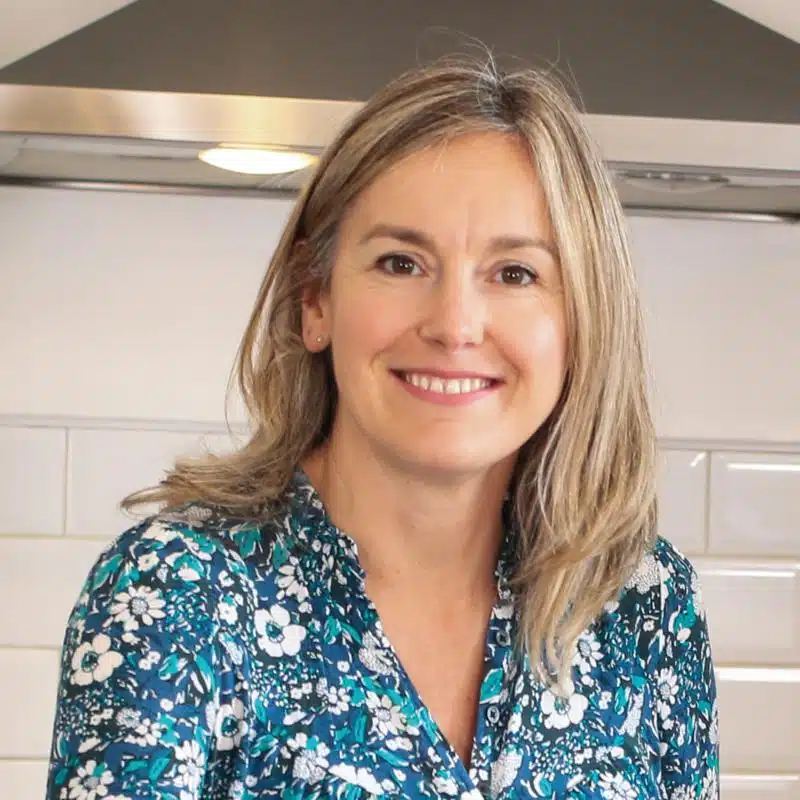
Can plant-based diets support people living with chronic kidney disease? In this talk, specialist renal dietitian Angeline Taylor will explore the evidence for plant-based nutrition across the different stages of kidney disease, examining its potential role in slowing disease progression and supporting overall health. She will also address common nutritional concerns and misconceptions, including protein and mineral management, while providing practical guidance on how plant-based eating can be safely adapted to meet the needs of people living with kidney disease.
Chair: Claire Lynch

Depression is influenced by a complex interplay of biological, psychological and social factors, creating opportunities for lifestyle medicine to play an important role in prevention and treatment. In this talk, Dr Gia Merlo will explore the latest evidence for lifestyle medicine approaches to mental health, drawing on the recent American College of Lifestyle Medicine position statement. She will also examine the emerging roles of the gut–brain axis, the microbiome and social connection in supporting mental wellbeing, and discuss how these insights can be translated into everyday clinical practice.
Please join us if you are keen to learn more about the emerging practice of lifestyle medicine. These one-day conferences are for you if you are a:
Medical practitioner
Individual looking to learn more for personal use
All our conferences are CPD accredited, with certificates issued post-event and count towards CME credits required for IBLM diplomates.
Michael Metoudi
Michael Metoudi is a research dietitian with Plant-Based Health Professionals UK. His core work focuses on the intersection between plant-based nutrition research, education, and clinical practice. In his role with Plant-Based Health Professionals UK, he contributes to the growing body of evidence on whole plant-based dietary patterns for people and planet, with a particular focus and recent publications on how whole plant food groups such as whole grains, legumes and nuts can support the prevention and management of hypertension, the leading cause for premature deaths globally.
His other research focuses on supporting the shift in the UK’s national food-based dietary guidelines towards more environmental sustainability. Michael is also actively involved in clinical practice, specialising in the area of eating disorders.
His main interests include plant-based nutrition in chronic disease prevention and health, and the pivotal role of communicating this on both a public and patient level.
Angeline Taylor
Angeline Taylor is a registered dietitian with over 16 years of experience specialising in renal nutrition. She currently serves as Chair of the BDA Kidney Dietitian Specialist Group, Lead Renal Dietitian at the Royal Devon University Hospital, and Lead Dietitian for Kidney Care UK’s Kidney Kitchen.
Angeline is particularly passionate about the role of plant-based diets in supporting kidney health, focusing on practical, evidence-based approaches that empower individuals to make sustainable dietary changes. Through her clinical work and leadership roles, she is dedicated to improving nutritional care and outcomes for people living with kidney disease.
Victoria Sampson
Dr. Victoria Sampson is a London-based dentist, researcher, and entrepreneur specialising in the oral microbiome and its link to systemic health. She is the Founder and CEO of THS Labs and the creator of ORALIS1, a pioneering saliva-based test. Dr. Sampson serves on the advisory board of the Harvard School of Dental Medicine and is a topical team member for the European Space Agency. She is also an affiliate researcher at the University of Oulu and was the first dentist to be shortlisted for Forbes 30 Under 30 in Healthcare and Science in Europe. She is also the co-founder of The Health Society, a multidisciplinary clinic in London where she champions precision dentistry and preventive healthcare through innovative salivary diagnostics.
Sarah Nájera Espinosa
Sarah Nájera Espinosa is a research fellow at the London School of Hygiene and Tropical Medicine (LSHTM). Her PhD at LSHTM focused on the role of plant-based alternatives in transitioning towards more nutritious and sustainable diets in the UK. Sarah has a degree in environmental studies and masters in food security.
Sarah previously worked at the Food and Agriculture Organisation of the United Nations (FAO) where she worked across various food-related divisions, including food composition, pesticides maximum residue limits, the role of pesticides and microplastics in the human gut microbiome, and the effects of climate change on nutrition and biodiversity.

LJ Smith
Dr LJ Smith is a Respiratory and Internal Medicine Consultant at Kings College Hospital. She primarily sees patients with airways disease and suspected or confirmed Lung Cancer. She qualified as a medical doctor in 2006 after training in Cambridge and London. She has a Diploma in Clinical Education and has written two books on Respiratory medicine for doctors in training. She also completed a year of research, focusing on prognostication in severe COPD. She has a Diploma in Lifestyle Medicine and incorporates the pillars of Lifestyle medicine into her NHS practice. She joined Kings College as a Consultant in 2019. She is the Air Quality Lead and the Clinical Lead for Sustainability at the Trust and the BTS Trustee for Sustainability. She leads work on air quality, inhaler recycling and plant-based food and is involved in many other sustainability projects within and outside King’s. She campaigns on climate, housing and social justice with MedAct.
Hana Kahleova
Dr. Kahleova is a board-certified endocrinologist, with a PhD in human physiology and pathophysiology, and a board certification in lifestyle medicine. She serves as a director of clinical research at the Physicians Committee for Responsible Medicine, and her research focuses on nutrition treatment of obesity, diabetes, and metabolic disease. Dr. Kahleova has published over 100 scientific papers in peer-reviewed medical journals.
As a member of the American Diabetes Association and as a board member of the Diabetes and Nutrition Study Group of the European Association for the Study of Diabetes, Dr. Kahleova is directly involved in the process of updating the nutritional recommendations for people with diabetes.
Paul Chadwick
Dr Paul Chadwick is a Consultant Clinical Psychologist and behavioural scientist with over 30 years of experience transforming the lives of individual, families and populations. As former Deputy Director of the UCL Centre for Behaviour Change, Co-Director of Public Health England’s Behavioural Insights Team, Paul combines academic rigour with extensive frontline clinical practice.
Paul is recognised as an expert in the prevention of alcohol harms and is the author of Do I Drink Too Much?Stop Everyday Drinking Becoming a Life-Limiting Addiction, which draws on the latest science, practical insights, and his own personal experience of stopping drinking to help readers understand and change their relationship with alcohol.
He is currently CEO of the Behavioural Science and Public Health Network (BSPHN) and has published over 50 peer-reviewed papers alongside several self-help books.
Jill Martin
Jill Martin is a Mental Health Occupational Therapist with over 30 years of clinical experience. After 18 years in NHS mental health services spanning general psychiatry, addictions, eating disorders, older adult services, and CAMHS, she co-founded Purpose People Ltd in 2020: the first dedicated private mental health OT practice in the UK. The practice has grown to a team of 35 occupational therapists and OT assistants, with a reputation for clinical excellence and consistently strong client outcomes. As Mental Health Network Lead for the Royal College of Occupational Therapists, Jill is one of the most active advocates for the profession nationally. Her clinical approach integrates occupational therapy with solution-focused practice, coaching, and behavioural change strategies. She is a qualified hypnotherapist, Master NLP Practitioner, and Life Coach, and, in 2022, delivered a TEDx talk on purpose and daily occupation in mental well-being. She is registered with the Health and Care Professions Council and is a member of the International Coach Federation.
Francesca Castro
Francesca is a clinical research dietitian at Memorial Sloan Kettering Cancer Center. Since joining MSK in 2021 under Dr. Urvi Shah in the myeloma service, she has focused on dietary intervention clinical trials. Currently she works on the NUTRIVENTION trials (1-6), which investigate how high-fiber, plant-based diets influence the microbiome, metabolic health, and myeloma progression.
With experience counseling patients across the spectrum of plasma cell disorders from precursor states to survivorship, Francesca is committed to empowering patients through evidence-based nutrition. She holds an M.S. in Nutrition and Exercise Physiology from Teachers College, Columbia University, and a B.S. in Biomedical Science from the University of Central Florida. Outside of research, she enjoys developing plant-forward recipes and spending time at the park with her dog, Rigatoni.
Gia Merlo
Dr. Merlo is a clinical professor of psychiatry at NYU Grossman School of Medicine, Treasurer of the American Psychiatric Association (2026-2028), associate editor of the American Journal of Lifestyle Medicine, distinguished fellow of the American Psychiatric Association, and a fellow of the American College of Lifestyle Medicine (ACLM).
Merlo has published four academic books on medical professionalism and lifestyle medicine (Oxford University Press and Taylor and Francis). In 2025, she was awarded the ACLM Health System/Agency Special Recognition Award and the APA Presidential Commendation Award.
Her book Lifestyle Psychiatry: Through the Lens of Behavioral Medicine expanded the area of Lifestyle Medicine to include social determinants of health, psychological principles, and the bidirectionality of physical and mental health. She has been involved in clinician care and medical education for nearly 30 years, with a focus on professional development and mental health, particularly for healthcare professionals.
Tamiko Katsumoto
Tamiko Katsumoto, MD, DipABLM is a Clinical Associate Professor in the Division of Immunology and Rheumatology at Stanford University and is board certified in lifestyle medicine. She earned her MD from the University of California, San Francisco. She completed her internal medicine residency and rheumatology fellowship at UCSF, including a postdoc in immunology. Deeply committed to human and planetary health, she is passionate about educating her patients, her colleagues, and the general public on the merits of sustainable whole food plant-centred diets as a strategy to both improve individual health and mitigate climate change and environmental degradation.
She is fascinated by the impact of diet and lifestyle on inflammation, autoimmunity, and cancer. She directs the Rheumatology Oncology Clinic and serves as a co-director of the Stanford Immune Related Toxicity Working Group, a multidisciplinary group which aims to improve the quality of care of cancer patients on immune checkpoint inhibitors. She is involved in several clinical trials at Stanford and has spent time at Genentech, where she led several global clinical trials in immunology. She co-chaired the American College of Rheumatology Climate Change Task Force. She is working closely with the Stanford Doerr School of Sustainability and serves on the steering committee for the Center for Human and Planetary Health where she co-leads the Food Systems, Health and Environment Working Group.
Alexandra Johnstone
Professor Alexandra Johnstone is a Registered Nutritionist and nutrition scientist at the Rowett Institute, at the University of Aberdeen, where she is Theme Lead for Nutrition, Obesity and Disease. Her work focuses on how diet influences appetite, energy balance and body weight, with a particular interest in how the amount, type and timing of nutrients can support better health. Alex leads a multidisciplinary research team and works closely with partners across academia, industry and policy to translate research into real-world impact.
Her work addresses key challenges such as obesity, health inequalities and the cost-of-living crisis, with a focus on helping people make healthier and more sustainable food
choices. She is particularly interested in developing practical, evidence-based strategies within retail and food environments that support both population health and environmental goals.
Duika Burges Watson
Dr Duika Burges Watson is Nature Recovery Ranger at Newcastle Hospitals, part of the Healthy by Nature programme run by the Centre for Sustainable Healthcare, which places rangers in NHS Trusts across England. A health geographer by training, she spent over a decade in translational public health research, founding the Altered Eating Research Network and leading research with people living with taste and smell disturbance, including work with smell loss charities during the COVID-19 pandemic. Her research explores how the senses, particularly smell, shape our experience of food, nature and each other, and what happens when they are disrupted. In her current role she is developing therapeutic green space as clinical provision across three hospital sites, including ward-based scent work, a hospital nature trail and a wellbeing labyrinth. Her forthcoming book is A Seat at Nature’s Table: Rewilding the Senses.